Making Tax Digital Is Here: What Letting Agents Need to Give Their Landlords
MTD for Income Tax starts on 6 April for landlords with qualifying income over £50,000. Agents who make quarterly reporting painless will keep those landlords for life.
Bric Team
Bric editorial team
Making Tax Digital for Income Tax starts on 6 April 2026. Your landlords are the ones legally on the hook, but they'll look to you for the numbers. Agents who make quarterly reporting painless will keep those landlords. Agents who send a PDF once a year will start losing them.
Who's affected, and when
MTD for Income Tax is being phased in by income. According to HMRC, it starts in April 2026 for sole traders and landlords with qualifying income over £50,000. The threshold then falls:
- April 2026: qualifying income over £50,000 (based on the 2024/25 tax return)
- April 2027: over £30,000
- April 2028: over £20,000
The threshold counts gross income, not profit, and it includes self-employment income as well as rent. A landlord with two or three properties plus a side business can easily be caught. Properties held in a limited company sit outside MTD for Income Tax.
What changes for landlords
Instead of one annual Self Assessment, affected landlords need to keep digital records and send quarterly updates to HMRC using compatible software, followed by a year-end finalisation. That means they need accurate income and expense figures four times a year.
Where letting agents come in
For a managed property, you hold most of the data your landlord needs: rent received, your fees, repair invoices and other deductions. The question is whether you can give it to them in a clean, timely and digital form.
Statements your landlords' accountants will love
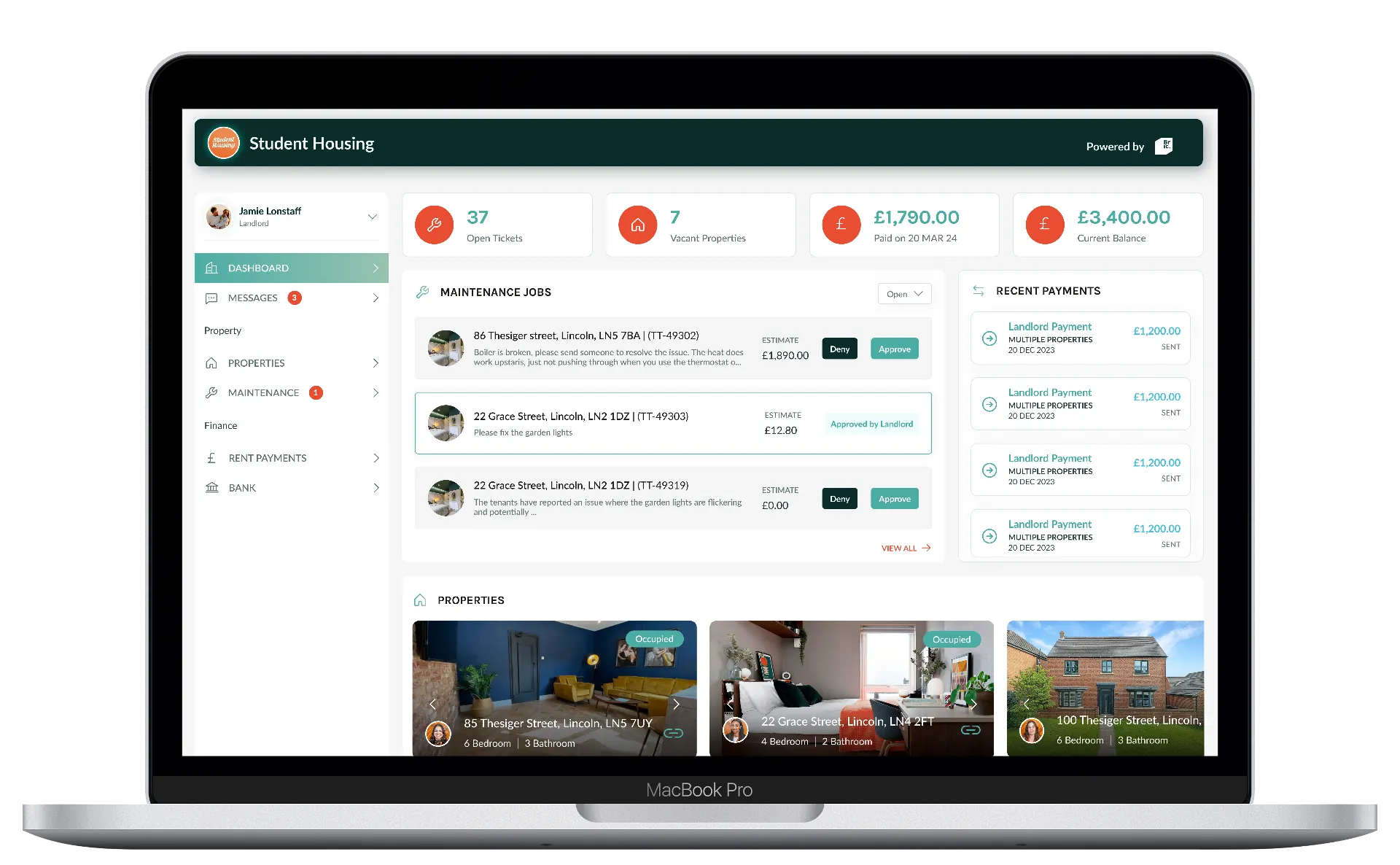
Bric's landlord portal lets landlords download ledger statements as CSV or PDF whenever they need them, so quarterly figures are always to hand. See financial reporting in Bric →
A checklist for agents
- Identify affected landlords. Anyone receiving more than £50,000 a year through you is almost certainly in scope. Others may be once you include income from elsewhere.
- Line up your statement periods with HMRC quarters. Standard quarters end on 5 July, 5 October, 5 January and 5 April.
- Categorise expenses consistently. Repairs, agent fees, insurance and utilities should land in the same categories every time.
- Attach the paperwork. Contractor invoices should sit against the transaction they relate to.
- Give landlords self-service access. A landlord portal saves you a flood of "can you resend my statement?" emails every quarter.
The opportunity
MTD is a good reason to talk to self-managing landlords about full management. "We'll have your quarterly figures ready in the portal, already categorised" is a strong pitch to a landlord facing their first quarterly deadline in August.
FAQs
Does MTD apply to each property separately?
No. It applies to the landlord's total qualifying income across all their property and self-employment.
Do letting agents submit MTD returns?
Not usually. The landlord, or their accountant, submits using MTD-compatible software. Your job is to supply accurate, digital data.
This article is general guidance, not tax advice. Landlords should check their position with an accountant or on GOV.UK.
Make quarterly reporting your competitive edge
See how Bric turns your client account into landlord-ready statements. Book a demo or see pricing.
Enjoyed this article?
Share it with your network and help others discover great content.